
Imagine your friend Maya confiding over brunch: "My Scorpio partner canceled their weekend plans when I got sick – isn't that possessive?" We often misinterpret such gestures, just as astrology myths about Scorpio loyalty get oversimplified. This practical checklist cuts through assumptions. Instead of cosmic claims, we'll spotlight real relationship patterns – like noticing how often they prioritize shared goals or handle conflicts. By grouping evidence into five key aspects, you'll gain a structured way to separate pop-culture fantasies from observable partnership dynamics. Think of it as decoding relationship cues during everyday moments, whether you're planning vacations or navigating tough conversations.
The assumption that "loyalty = constant physical exclusivity" misses Scorpio's layered devotion. Like overhearing coworkers debate whether lunchtime phone calls prove dedication, surface observations rarely capture emotional fidelity's depth. This aspect deserves separate attention because mistaking monogamy for genuine commitment creates unrealistic expectations.
True loyalty surfaces through emotional availability during vulnerable moments. When psychologist researchers note "secure attachments foster dedication", they're describing why Scorpios investing in deep conversation or sharing personal doubts indicates loyalty. These gestures build psychological safety – they actively weave partnership bonds through consistency rather than grand declarations.
Scorpios prove loyalty by synchronizing life priorities. Behavioral studies repeatedly observe loyal partners "investing in relationship-enhancing activities", visible in micro-choices from rescheduling work for their partner's job interview to saving jointly for shared dreams. As Pluto's influence suggests transformation through bonding, dedication expresses through co-created futures more than restrictive rules.
"Scorpios are always loyal" sounds comforting until your colleague discovers their partner's emotional withdrawal during job loss stress. Loyalty isn't fixed but dances with relationship rhythms – this distinction matters because expecting unconditional devotion ignores human complexity. Recognizing influence factors prevents misreading temporary withdrawal as permanent disengagement.
Trust-building dictates loyalty resilience like a hidden thermostat. Astrological traits of fixed water signs combine with psychology: "transparency predicts loyalty in interpersonal settings". Picture coworkers rebuilding trust after missed deadlines; similarly, Scorpios respond to verified honesty with increased dedication. When partners demonstrate reliability during small crises, loyalty compounds.
Effective dialogue functions as loyalty scaffolding. Notice those "constructive conflict resolution" moments – like discussing chore inequities calmly – which personality research links to sustained commitment. These create security feedback loops: each resolved disagreement strengthens foundations for future devotion. Without this, even minor disruptions can trigger disengagement instincts.
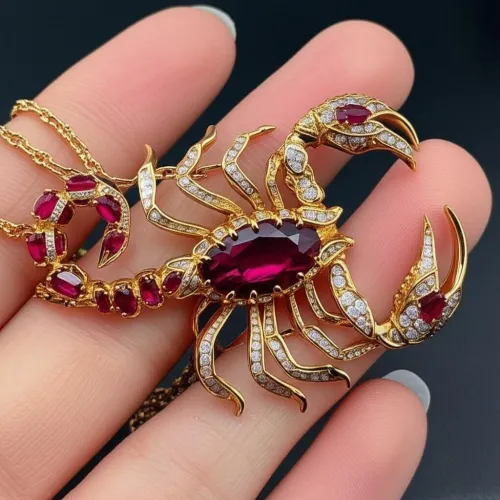
If loyalty only meant "texting whereabouts constantly" like Maya's friend assumed, we'd miss deeper supportive patterns. The reality? Protective instincts can coexist with possessiveness – this distinction helps avoid mislabeling healthy dedication as toxic control by analyzing behavioral roots.
Commitment surfaces clearly during conflicts. Observing whether someone "perseveres through hardships" reveals loyalty more accurately than peaceful periods. Picture couples navigating relocation stress; Scorpios demonstrating adaptability often prove relational investment. This tangible loyalty expression aligns with fixed sign persistence noted in astrological analyses.
Unexpected support during challenges signals quiet loyalty. Cultural studies note "loyalty manifestations vary across contexts" – perhaps they organize friends to help when you're overwhelmed or defend your ideas during family debates. These actions, unlike performative displays, demonstrate dedication through sustainable partnership enhancement rather than dramatic proofs.
Believing loyalty springs solely from zodiac traits ignores a Scorpio colleague's transformation after therapy. Loyalty emerges through experience – understanding this prevents reducing dedication to "destiny" while emphasizing partners' joint role in nurturing security.
Safety emerges through reciprocal sharing. When "both partners exchange personal truths during quiet evenings", they generate the "mutual vulnerability" psychology links to loyalty depth. This explains why rushed commitments often falter: trust requires gradual construction through accumulated evidence of safety.
Childhood patterns and relationship history influence loyalty expression. Cultural research confirms "expressions differ based on societal norms rather than inherent traits." For example, Scorpios with secure upbringing may demonstrate loyalty calmly, while those with betrayal trauma might display intense protectiveness – both valid expressions needing context.
Your friend's tension about Maya's "jealous partner" reflects common labeling errors. What seems like distrust might be disproportionate loyalty expressions – this clarification prevents misdiagnosing protective dedication as controlling insecurity.
Not all guarded behaviors signal loyalty issues. Astrology notes passionate signs demonstrate "protective instincts... requiring balanced management." Notice timing and reception during supportive interference: healthy loyalty respects boundaries. Like commenting on unfair work treatment versus controlling friendships, intentionality distinguishes dedication from domination.
Integration into inner circles often reveals security levels. "Joint event invitations" function as loyalty indicators because, when Scorpios share their private world, they demonstrate relational investment. Exclusion during gatherings doesn't guarantee disloyalty but may signal evolving trust tests worthy of gentle exploration.
Next time you share weekend plans or face unexpected challenges, apply filters uncovered here: Notice patterns over snapshots. When debating your friend's "jealousy concerns," instead recall three anchors: 1. Measure loyalty across months through conflict resolution approaches and priority alignment 2. View protectiveness through boundary respect - does intervention empower or control? 3. Track verbal and behavioral consistency during routine weeks rather than perfect moments If this were Maya's brunch conversation, you'd guide her toward observing her partner's recent actions supporting her career goals rather than solitary phone calls. Because understanding loyalty means focusing on what builds partnerships rather than policing them.
Q: How does long-term relationship loyalty differ for Scorpios?
A: Over years, emotional vulnerability sharing deepens and priority alignment becomes clearer, though possessiveness risks may increase without conscious communication practices. Long-term data suggests dedicated environments thrive with mutual goal investment.
Q: What commonly increases or decreases their loyalty?
A: Trust reciprocity and security levels significantly impact intensity; perceived dishonesty or emotional neglect might prompt withdrawal, while transparent communication and shared vulnerability can strengthen dedication.
Q: Why perceive Scorpios as exceptionally loyal?
A: Their fixed-water nature combines persistent emotional investment with depth-seeking traits - observable through protective actions and crisis resilience. Passion demonstrations often stand out compared to more emotionally reserved signs.
Q: When might loyalty seem compromised despite faithfulness?
A: Temporary emotional withdrawal during personal challenges or misreading boundaries as rejection might appear as disloyalty. Consistency patterns over weeks provide better accuracy than isolated incidents.
Q: How do real-life behaviors compare to astrological models?
A: While Scorpios often display deep dedication patterns, individual variations based on upbringing, relationship histories and communication skills strongly influence expressions - theoretical traits manifest through lived experiences.


$
